
Democratic critics want leaders who fight for working people and hold Trump accountable
The challenge to Schumer, Jeffries and Booker reaches spending leverage, corporate influence and Israel policy. Their choices show what leadership change would need to mean.
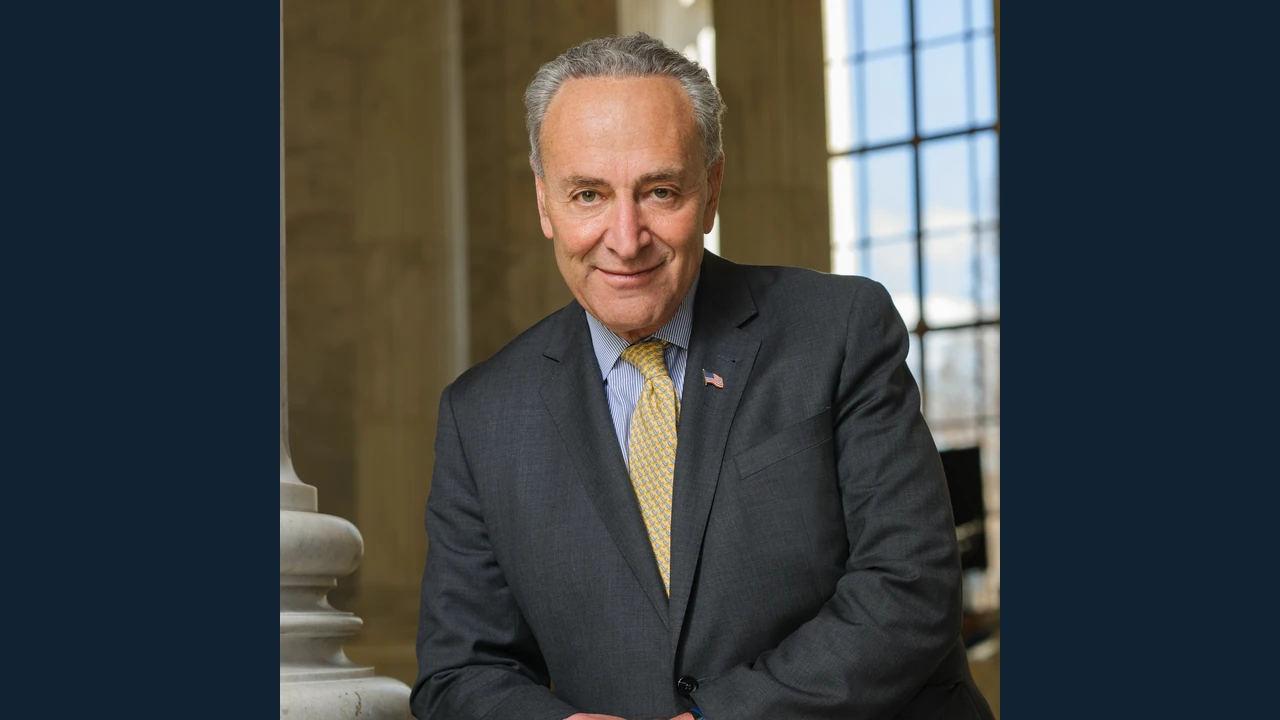
Democrats demanding new leadership want more than an election victory. Their case against Chuck Schumer and Hakeem Jeffries concerns how the party uses power: protecting household incomes and public services, confronting corporate influence, restricting military support for Israel and pursuing consequences for abuses by the Trump administration. Cory Booker's calls for change also invite scrutiny of his own decisions.
The dispute sharpened after this week's midterms. In a November 5 memo to Senate offices, Indivisible demanded an open leadership contest and urged Democrats to use their procedural tools rather than settle for business as usual. The question behind that demand is whether the same leaders will make different choices when confrontation carries a political cost.
Schumer's March 14, 2025 funding decision supplies a concrete example. He voted to advance the Republican government-funding bill, H.R. 1968, through a 60-vote procedural hurdle. The motion passed 62–38. By helping the bill proceed, he gave up that opportunity to withhold Democratic support and seek concessions from Republicans.
Schumer defended his choice as protection against a worse outcome. He argued that a shutdown would let Trump, Elon Musk and DOGE decide which services to close and expose federal workers and benefit recipients to greater harm. His critics wanted him to use the spending deadline to extract concessions from the administration. Both arguments concern the people who depend on those services; they prescribe different ways to protect them.
The later shutdown fight exposed another leadership problem. On November 9, 2025, eight members of Schumer's caucus helped advance a deal to end the shutdown, 60–40. Schumer and Booker both voted no. The petition seeking Schumer's replacement criticizes his failure to hold the caucus together. A leader's personal dissent does not settle criticism about the deal his caucus allowed to advance.
Booker described the funding agreement as a loss for people facing higher health-care costs and called for a new generation of Democrats willing to fight. That was a criticism of the party's results, with a specific consequence for household budgets. His own no votes distinguish him from Schumer's March decision.
Jeffries raised a related argument on November 4 when he said Americans did not want Democrats to “get even,” according to The New Republic's account of his Morning Joe interview. Melanie D'Arrigo of the Campaign for New York Health objected to treating affordability and accountability as competing priorities. Her criticism was that Democrats can lower costs and investigate abuses at the same time.
Asked about that dispute by NPR on November 6, Jeffries said the Judiciary and Oversight committees would investigate wrongdoing by the Trump administration. He called for Defense Secretary Pete Hegseth's removal but would not commit to impeachment before discussing it with his caucus. His stated position includes accountability; the unresolved issue is how far he will pursue it and what consequences he will support.
For voters demanding stronger resistance, the distinction matters. Naming committees and promising investigations leave decisions about hearings, evidence and remedies ahead. The leadership test concerns whether Democrats use congressional authority to expose abuses and seek consequences while also protecting people's health care, food assistance and wages.
Corporate influence is another part of the objection. Nicole Whitted's petition asks lawmakers to examine Jeffries's donor relationships and leadership record. Laura Ciocia's campaign against Schumer criticizes his ties to Wall Street and pro-Israel donors. Their demand is that leaders answer to constituents rather than the institutions financing political careers.
The GENIUS Act offers a specific policy decision to examine. Booker voted for the stablecoin bill on June 17, 2025, when it passed the Senate 68–30. Schumer voted against it. Jeffries supported House passage on July 17; the vote was 308–122, with more House Democrats voting no than yes.
Stablecoins are digital tokens designed to maintain a stable value, often against the dollar. The law gave their issuers a federal regulatory framework. USDC issuer Circle welcomed the legislation's regulatory certainty and described its application for a national bank charter as part of that path. For the industry, congressional action supplied a framework for conducting and expanding business.
Before Senate passage, Elizabeth Warren urged Democrats to withhold support until they could address the bill's weaknesses. Her June 11 floor speech argued that the legislation would expand the stablecoin market without resolving Trump's crypto conflicts. She challenged colleagues to use their votes as leverage for changes rather than accept promises to address problems later.
Booker defended the bill as a starting point for stronger issuer oversight and protections if a stablecoin collapsed. He also acknowledged concerns about Trump-family enrichment and urged further accountability. The disagreement was over whether those protections justified passage before the conflicts Warren identified had been resolved. Booker and Jeffries helped the industry obtain legislation; Schumer's no vote belongs in the account.
The same question about withholding support runs through Israel policy. On February 1, Schumer boasted that his leadership had delivered more security assistance to Israel than ever before, according to the Forward's contemporaneous report. Jeffries also pledged continued military assistance. Those promises show what these leaders were prepared to sustain while Palestinian civilians bore the consequences of Israel's military campaign.
In September 2025, the independent commission appointed by the UN Human Rights Council had concluded that Israel committed genocide in Gaza. Investigators cited killings, serious physical and mental harm, destructive living conditions and measures preventing births. Their evidence included Israel's siege and obstruction of humanitarian aid leading to starvation. Israel's Geneva ambassador, Danny Meron, rejected the finding and said the commission had not substantiated genocidal intent.
On April 15, 2026, Schumer opposed advancing two resolutions to block particular bomb and bulldozer sales to Israel. Both failed. Booker supported both restrictions, after joining Schumer in opposing another arms-sale restriction in July 2025. His April explanation centered on stopping Trump's Iran war while retaining support for Israel's defense. The votes show both the pressure for restrictions and the differences among these politicians.
Schumer had criticized Netanyahu and called for Israeli elections in March 2024. He and Booker also supported advancing a demand for information about Israel's human-rights practices in September 2026; that motion failed. Criticizing an Israeli leader and requesting information can coexist with preserving military supplies. Opponents of continued aid want leaders willing to impose material limits.
Jeffries voted for the April 2024 Israel security supplemental. His defense of the broader package included freeing hostages, sending humanitarian relief to Palestinians and pursuing a two-state solution. The objection to his leadership concerns the continued provision of military support alongside those commitments, and whether civilian suffering would make him change that policy.
Booker's position in the leadership debate also deserves a concrete test. In August 2026, he called for generational change but stopped short of demanding Schumer's removal, the New Jersey Globe reported. After the midterms, Booker defended Schumer's election leadership in an ABC interview, according to Al Jazeera's November 5 report.
That combination leaves a question for anyone presenting Booker as a break with the party's establishment: which decisions would change? His opposition to the funding deals and his April arms votes differ from Schumer's record. His support for the GENIUS Act also forms part of the record voters can judge.
Jeffries's November 4 leadership letter promises to reverse Medicaid cuts, restore food assistance, extend Affordable Care Act tax credits, end Trump's tariffs and stop the Iran war. It also proposes a congressional stock-trading ban and accountability for corruption. Those commitments address ordinary Americans' needs. They need to be measured against votes, bargaining demands and outcomes rather than treated as accomplishments already delivered.
The broader complaint concerns a party willing to restore familiar arrangements without changing who benefits from them. Across spending fights, corporate legislation and military aid, critics want leaders prepared to withhold support, demand conditions and impose consequences. A leadership contest can require candidates to explain which powers they will use, what they will refuse and what they intend to secure for the public.
Readers can read or sign the three verified campaigns through the first three Change.org links under Sources and access: Whitted's “House Democrats: Choose a new Speaker,” Ciocia's “Replace Chuck Schumer as Senate majority leader,” and Chris Sader's “Senate Democrats: Choose a new majority leader.” They seek alternatives to Jeffries or Schumer. Whitted discloses compensation as a Change Ambassador. Members of Congress decide the leadership votes.
The evidence record
Source claimLeadership objections concern public priorities, donors and spending strategy
Article paragraphs: 1, 4, 5, 10, 23
Source claimHouse petition demands scrutiny of donor and leadership records
Article paragraphs: 1, 10, 24
Source claimIndivisible's dated memo calls for an open contest and procedural action
Article paragraphs: 2, 23
AnalysisThe dispute asks whether leaders will use power differently
Article paragraphs: 1, 2
The petitions, memo and votes concern policy and bargaining decisions, rather than election outcomes alone. The article tests that interpretation through concrete choices.
Source claimMarch14 cloture128 result, measure and individual votes
Article paragraphs: 3, 6
AnalysisAdvancing cloture surrendered that procedural opportunity to demand concessions
Article paragraph: 3
The official vote advances a funding bill through the60vote hurdle. The paragraph identifies the immediate leverage at that vote, without claiming every possible bargaining tool disappeared.
Source claimNovember9 cloture610 result and both senators' opposition
Article paragraph: 5
AnalysisCaucus leadership can be criticized despite a leader's personal no vote
Article paragraph: 5
The petition attacks the caucus split; the roll call identifies Schumer's actual vote. The two grounds of judgment differ.
Source claimBooker's funding-deal criticism, household costs and call for new leaders
Article paragraph: 6
Source claimReported MorningJoe remark and D'Arrigo criticism
Article paragraph: 7
Source claimJeffries's NPR response, planned committees, Hegseth removal and reserved impeachment position
Article paragraph: 8
AnalysisConcrete congressional actions and consequences remain the test of oversight promises
Article paragraphs: 8, 9
Jeffries's interview identifies forthcoming committee investigations and a caucus discussion of remedies. His letter pairs accountability with benefit-restoration goals; this analysis states how those commitments can be assessed.
Source claimPolicy priorities include public benefits, affordability and accountability
Article paragraphs: 9, 22
Source claimJune2025 GENIUS final result, Booker yea and Schumer nay
Article paragraphs: 11, 14
Source claimJuly2025 House GENIUS final result, Jeffries yea and Democratic split
Article paragraphs: 11, 14
Source claimStablecoin business framework and Circle's commercial/regulatory response
Article paragraph: 12
Source claimWarren's dated argument for withholding votes and addressing Trump conflicts
Article paragraphs: 13, 14
Source claimBooker's stated GENIUS protections rationale and Trump concerns
Article paragraph: 14
AnalysisLegislative support and votes can be examined as choices about industry policy and leverage
Article paragraph: 14
Warren and Booker offered opposed arguments about safeguards. The roll calls establish who supported passage; Circle describes the framework's value to its business. No donation-for-vote or motive finding is asserted.
Source claimFebruary2026 military-aid promises and Schumer's claim about assistance
Article paragraph: 15
Source claimUN commission finding, documented acts and Israel's rejection
Article paragraphs: 15, 16
Source claimApril2026 bomb motion and senators' votes
Article paragraph: 17
Source claimApril2026 bulldozer motion and senators' votes
Article paragraph: 17
Source claimJuly2025 restriction motion and senators' votes
Article paragraph: 17
Source claimBooker's stated Iran-war rationale and defense commitment
Article paragraph: 17
Source claimSchumer March2024 Netanyahu criticism and elections call
Article paragraph: 18
Source claimSeptember2026 information-motion result and votes
Article paragraph: 18
AnalysisCriticism and information demands coexist with military-support decisions
Article paragraph: 18
The2024speech and2026information vote are substantive contrary evidence. They do not reverse the separately recorded April arms votes.
Source claimJeffries security/humanitarian/hostage/two-state rationale
Article paragraph: 19
Source claimShort attributed account of Booker's ABC interview
Article paragraph: 20
AnalysisBooker's leadership alternative should be evaluated against actual differences and continuities
Article paragraph: 21
Compare his funding and arms votes with Schumer's, and his stablecoin vote with Schumer's and Jeffries's. The paragraph identifies actual policy differences and continuities.
AnalysisPromises are benchmarks for future action rather than accomplishments
Article paragraph: 22
The November4 candidacy letter specifies first100days proposals for the incoming Congress, which can be compared with later recorded decisions.
AnalysisThe wider critique joins questions of beneficiaries, leverage and consequences
Article paragraph: 23
The funding, stablecoin and arms decisions show distinct opportunities to set conditions; the petitions and memo demand changed leadership priorities. This is explicit synthesis rather than a motive or purchased-vote claim.
Sources and access
Each source record identifies its reporting origin, access scope and the date we checked it.
Read or sign: House Democrats, choose a new Speaker
Nicole Whitted / Change.org · Checked November 7, 2026
- Recorded relationship
- original
- Origin
- Nicole Whitted / Change.org
- Access
- Full text
- Locator
- Petition statement, compensation disclosure, creation date and displayed counter
- Source publication
- September 3, 2026
Read or sign: Replace Chuck Schumer as Senate majority leader
Laura Ciocia / Change.org · Checked November 7, 2026
- Recorded relationship
- original
- Origin
- Laura Ciocia / Change.org
- Access
- Full text
- Locator
- Petition statement, organizer, creation date and displayed counter
- Source publication
- November 4, 2026
Read or sign: Senate Democrats, choose a new majority leader
Chris Sader / Change.org · Checked November 7, 2026
- Recorded relationship
- original
- Origin
- Chris Sader / Change.org
- Access
- Full text
- Locator
- Petition statement, organizer and displayed counter
Indivisible presses for an open Senate leadership contest
Roll Call · Checked November 7, 2026
- Recorded relationship
- original
- Origin
- Roll Call
- Access
- Full text
- Locator
- Savannah Behrmann report, November 5 at 7:26pm; memo sent Thursday morning and Schumer response
- Source publication
- November 5, 2026
March 14, 2025 Senate funding vote and debate
U.S. Government Publishing Office · Checked November 7, 2026
- Recorded relationship
- original
- Origin
- U.S. Government Publishing Office
- Access
- Full text
- Locator
- PrintedS1768–S1769, PDFpages27–28, roll128: cloture on H.R.1968; Schumer/Booker votes
- Source publication
- March 14, 2025
Separate reviewer read official roll-call table; parent SenateHTML retrieval403. Relevant text/table checked, not whole daily issue.
Schumer explains his funding-bill position on CNN
Senate Democrats · Checked November 6, 2026
- Recorded relationship
- derived
- Origin
- CNN
- Access
- Full text
- Locator
- March 14 interview transcript; shutdown rationale
- Source publication
- March 14, 2025
Schumer’s office reproduces his interview; reviewer also checked the original CNN transcript. His forecast is reported as his rationale.
Congressional Record: November 9, 2025 Senate proceedings
U.S. Government Publishing Office · Checked November 6, 2026
- Recorded relationship
- original
- Origin
- U.S. Government Publishing Office
- Access
- Full text
- Locator
- Printed page S8043 (PDF page 11), roll call 610: cloture on the motion to proceed to H.R. 5371
- Source publication
- November 9, 2025
The relevant Congressional Record page and roll-call table were inspected. No claim of reading all 80 pages.
Booker statement on government funding and the health care fight
Office of Cory Booker · Checked November 6, 2026
- Recorded relationship
- original
- Origin
- Office of Cory Booker
- Access
- Full text
- Locator
- November 12 statement on his vote and leadership change
- Source publication
- November 12, 2025
Reported reaction to Jeffries's Morning Joe remarks
The New Republic · Checked November 7, 2026
- Recorded relationship
- original
- Origin
- The New Republic
- Access
- Full text
- Locator
- Malcolm Ferguson's report; Morning Joe quotation and Melanie D'Arrigo's response
- Source publication
- November 5, 2026
Used for this report's account of the interview and public response. We did not view the full original Morning Joe interview or separately retrieve the original response. The article attributes this access.
Jeffries answers questions on affordability, leadership and accountability
NPR / KPBS · Checked November 7, 2026
- Recorded relationship
- syndicated
- Origin
- NPR
- Access
- Full text
- Locator
- Leila Fadel interview transcript; Hegseth/impeachment, committee investigations and affordability; KPBS edit attribution
- Source publication
- November 6, 2026
Complete syndicated interview text read on KPBS. Original NPR URL retained from verified prior-source provenance.
June 17, 2025 Senate passage of GENIUS Act
U.S. Government Publishing Office · Checked November 7, 2026
- Recorded relationship
- original
- Origin
- U.S. Government Publishing Office
- Access
- Full text
- Locator
- PrintedS3419, roll318,68–30; Booker yea and Schumer nay
- Source publication
- June 17, 2025
Official Congressional Record used after Senate roll-call page403. Relevant roll-call section read.
House roll call 200: GENIUS Act passage
U.S. House Clerk · Checked November 7, 2026
- Recorded relationship
- original
- Origin
- U.S. House Clerk
- Access
- Full text
- Locator
- S.1582,308–122; Jeffries yea;102Democrats yea and110nay
- Source publication
- July 17, 2025
Circle describes the GENIUS Act's commercial and regulatory significance
Circle · Checked November 7, 2026
- Recorded relationship
- original
- Origin
- Circle
- Access
- Full text
- Locator
- Federal licensing/oversight, regulatory certainty and bank-charter application passages
- Source publication
- July 18, 2025
Industry's own explanation of benefit and safeguards; not an independent evaluation.
Warren urges Democrats to withhold support until GENIUS Act problems are addressed
Senate Banking Committee Democrats · Checked November 7, 2026
- Recorded relationship
- original
- Origin
- Senate Banking Committee Democrats
- Access
- Full text
- Locator
- Floor speech on leverage, Trump crypto conflicts and safeguards
- Source publication
- June 11, 2025
Prepassage criticism is attributed and dated; not presented as an independent post-enactment outcome study.
Booker's explanation for supporting GENIUS Act
Office of Cory Booker · Checked November 7, 2026
- Recorded relationship
- original
- Origin
- Office of Cory Booker
- Access
- Full text
- Locator
- Consumer protection, issuer oversight, Trump-family concerns and future-accountability passages
- Source publication
- June 17, 2025
Schumer and Jeffries pledge continued military aid at February breakfast
The Forward · Checked November 7, 2026
- Recorded relationship
- original
- Origin
- The Forward
- Access
- Full text
- Locator
- Jacob Kornbluh report, Support for Israel aid section; separate domestic security-grant passage
- Source publication
- February 1, 2026
Contemporaneous event reporting accessed; linked X recording403. No claim to have viewed a full speech or authenticated the user's unidentified Reddit upload.
UN commission's Gaza genocide finding and Israel's rejection
UN News / UN City Copenhagen · Checked November 7, 2026
- Recorded relationship
- syndicated
- Origin
- UN News
- Access
- Full text
- Locator
- Finding, four categories of acts, siege/starvation evidence and Danny Meron's response
- Source publication
- September 16, 2025
Complete UN News text read on UN City Copenhagen; original UN News robots-blocked and OHCHR report release403. The commission's finding and Israel's response are attributed; no claim to have read the full underlying report.
Senate roll call 81: Motion to discharge S.J.Res. 138
U.S. Senate · Checked November 7, 2026
- Recorded relationship
- original
- Origin
- U.S. Senate
- Access
- Full text
- Locator
- Motion, 36–63 result and Booker/Schumer individual votes
- Source publication
- April 15, 2026
Senate roll call 80: Motion to discharge S.J.Res. 32
U.S. Senate · Checked November 7, 2026
- Recorded relationship
- original
- Origin
- U.S. Senate
- Access
- Full text
- Locator
- Motion, 40–59 result and Booker/Schumer individual votes
- Source publication
- April 15, 2026
Senate roll call 455: Motion to discharge S.J.Res. 34
U.S. Senate · Checked November 7, 2026
- Recorded relationship
- original
- Origin
- U.S. Senate
- Access
- Full text
- Locator
- 24–73 result, resolution and Booker/Schumer nay votes
- Source publication
- July 30, 2025
Senate roll call 252: Motion to advance Israel human-rights reporting resolution
U.S. Senate · Checked November 7, 2026
- Recorded relationship
- original
- Origin
- U.S. Senate
- Access
- Full text
- Locator
- S.Res.852 motion,47–51 result, Schumer and Booker yea votes
- Source publication
- September 29, 2026
Schumer's March2024 call for Israeli elections and criticism of Netanyahu
Senate Democrats · Checked November 7, 2026
- Recorded relationship
- original
- Origin
- Senate Democrats
- Access
- Full text
- Locator
- Opening and third obstacle for peace section; Netanyahu and elections argument
- Source publication
- March 14, 2024
House roll call 152: Israel Security Supplemental Appropriations Act
U.S. House Clerk · Checked November 7, 2026
- Recorded relationship
- original
- Origin
- U.S. House Clerk
- Access
- Full text
- Locator
- H.R.8034 passage, party totals and Jeffries row
- Source publication
- April 20, 2024
Jeffries's floor speech supporting the national security package
Office of Hakeem Jeffries · Checked November 7, 2026
- Recorded relationship
- original
- Origin
- Office of Hakeem Jeffries
- Access
- Full text
- Locator
- Israel security, hostage release, humanitarian funding across conflict zones and two-state solution passages
- Source publication
- April 20, 2024
Booker calls for generational change in Senate Democratic leadership
New Jersey Globe · Checked November 6, 2026
- Recorded relationship
- original
- Origin
- New Jersey Globe
- Access
- Full text
- Locator
- Joe Seewald’s reporting from Booker’s August 26 Trenton visit
- Source publication
- August 26, 2026
Report on the Senate leadership contest
Al Jazeera · Checked November 6, 2026
- Recorded relationship
- derived
- Origin
- ABC News
- Access
- Full text
- Locator
- Booker passage near the end; ABC interview attribution
- Source publication
- November 5, 2026
Full article accessed; original interview video identified but not viewed. Use is confined to one short attributed sentence.
Jeffries announces candidacy for Speaker
Office of Hakeem Jeffries · Checked November 6, 2026
- Recorded relationship
- original
- Origin
- Office of Hakeem Jeffries
- Access
- Full text
- Locator
- November 4 letter; first 100 days and accountability agenda
- Source publication
- November 4, 2026
Booker's explanation of his April arms-sale votes
Office of Cory Booker · Checked November 7, 2026
- Recorded relationship
- original
- Origin
- Office of Cory Booker
- Access
- Full text
- Locator
- Opposition to Trump's Iran war and retained commitment to Israel defense/deterrence
- Source publication
- April 15, 2026
Prepared with AI research and writing tools. Sources and evidence are listed below. Public Rot is responsible for the published account.
Revision record
Revision 1 · November 7, 2026
Initial publication.
Revision 2 · November 7, 2026
The original headline and framing narrowed a broader leadership-accountability story to Israel arms. This substantive revision expands the headline, opening and reporting to spending leverage, corporate-policy decisions, household costs and accountability for the Trump administration, while preserving the Israel record, meaningful differences among the politicians and direct petition links. The original publication date is unchanged.
These are the recorded publication notices. Open reader tools, full available revisions or report a possible error →