
The payment-error total includes money recipients were owed
GAO’s fiscal 2025 estimate includes underpayments and unresolved records alongside excess payments.
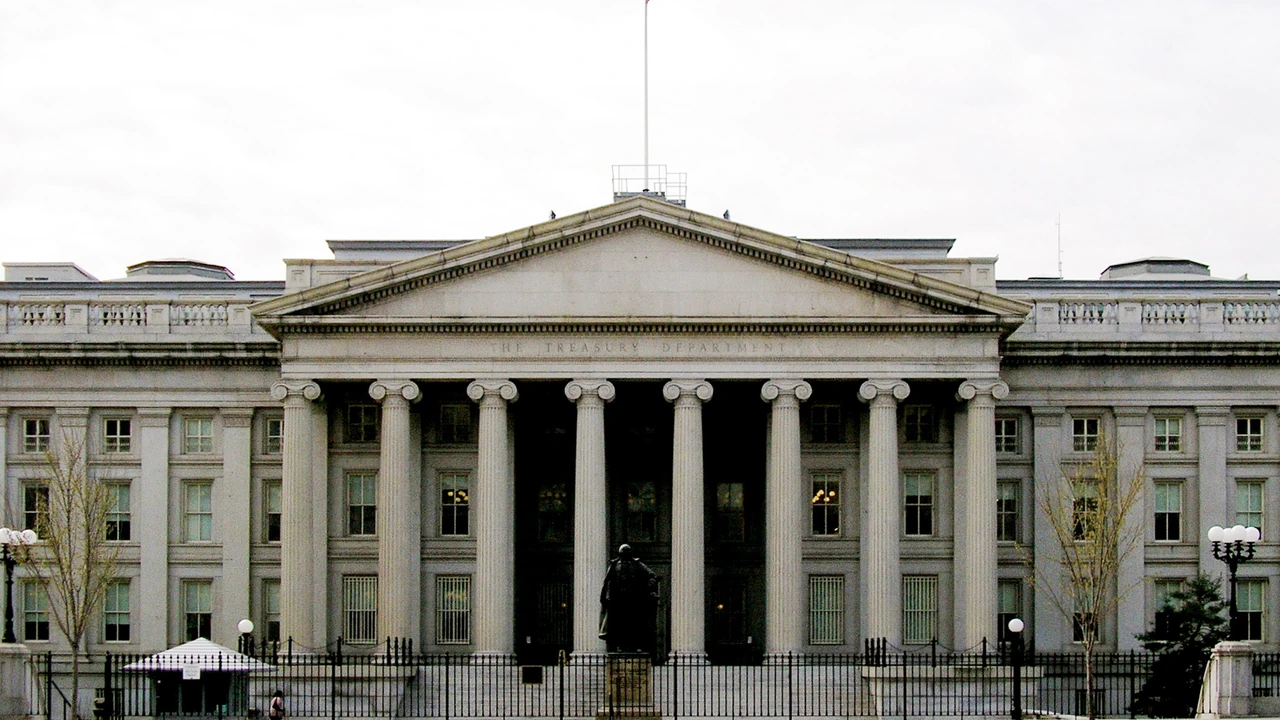
GAO’s April 27, 2026 report compiles agencies’ estimates of $186 billion in improper federal payments for fiscal 2025, covering 64 programs at 15 agencies.
The payment-type table assigns $153.1 billion to overpayments, $10.0 billion to underpayments, $14.3 billion to unknown payments and $8.4 billion to technically improper payments. Underpayments mean recipients received less than they were owed. Technically improper payments can reach entitled recipients while failing applicable rules.
GAO attributes much of the roughly $24 billion increase over fiscal 2024 to programs whose estimates were absent from the previous year’s total. It also identifies increased Medicaid eligibility and provider-screening errors.
The $186 billion total combines those payment classifications. GAO measures fraud losses through a separate study with a different scope and method.
That April 2024 fraud study estimated annual losses of $233 billion to $521 billion using fiscal 2018–2022 data. Comparing the two totals as if they measure the same payments would mix different estimates.
Accountability requires tracing the excess payments, recovering funds where appropriate and paying recipients what they are owed. Unresolved records and technical violations also need documented explanations and corrective action.
The evidence record
Source claimGAO compiles agency estimates for 64 programs at 15 agencies, provides the four payment categories and explains changes in reporting coverage and Medicaid errors.
Article paragraphs: 1, 2, 3
AnalysisThe payment categories call for distinct corrective work, including recovering excess payments and addressing underpayments.
Article paragraphs: 4, 6
Common Record’s analysis follows GAO’s definitions of excess, missing, unknown and technically improper payments. The final paragraph states accountability priorities.
Source claimGAO’s separate fraud study estimates annual losses of $233 billion to $521 billion using fiscal 2018-2022 data and explains the different population and method.
Article paragraphs: 4, 5
Sources and access
Each source record identifies its reporting origin, access scope and the date we checked it.
FY2025 report: accessible data and definitions
Government Accountability Office · Checked November 5, 2026
- Recorded relationship
- original
- Origin
- Government Accountability Office
- Access
- Selected excerpt
- Locator
- Key takeaways; accessible Figure 3 data on physical page 4; Table 4 on pages 8–9; endnote 5.
- Source publication
- April 27, 2026
Relevant report sections and accessible tables reviewed. The chart image was not visually verified; direct PDF download was unavailable.
Fraud study: published summary and methodological caveats
Government Accountability Office · Checked November 5, 2026
- Recorded relationship
- original
- Origin
- Government Accountability Office
- Access
- Full text
- Locator
- What GAO Found; caveats on improper-payment comparison, predictive use and agency/program application.
- Source publication
- April 16, 2024
Read the linked summary page, not the separate 80-page report. Both cited records come from GAO; model agreement adds no corroboration.
Prepared with AI research and writing tools. Sources and evidence are listed below. Common Record is responsible for the published account.
Revision record
Revision 1 · November 5, 2026
Initial publication.
Revision 2 · November 5, 2026
Update: replaced the explicitly historical FY2024 snapshot with GAO's April 2026 compilation of FY2025 agency estimates. Added the payment-type breakdown and reporting-coverage explanation; revised the headline and event date to match. The original version remains in this record. This is an evidence update, not a finding that the earlier historical figures were false.
Revision 3 · November 5, 2026
Editorial wording update: removed repetitive disclaimers and interpretive instructions, clarified the finding, and consolidated source and method details. The reported figures and underlying findings are unchanged.
These are the recorded publication notices. Open reader tools, full available revisions or report a possible error →