
Family Dollar’s proposed $63 million deal targets a pricing system regulators say kept failing
The complaint alleges register increases outran shelf labels despite years of warnings. The order is unsigned, and the current owners inherited only part of the record.
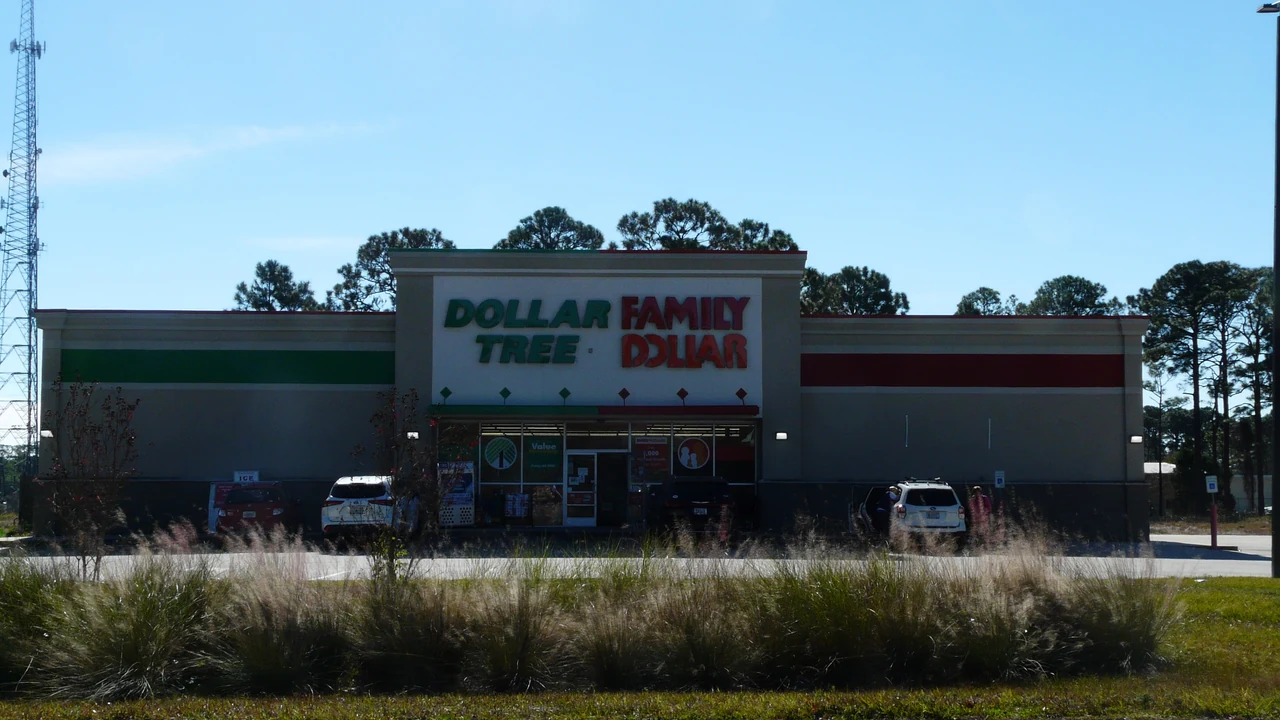
The Federal Trade Commission and 17 states filed a complaint and proposed $63 million settlement against Family Dollar on November 12, asking a federal judge in Virginia to impose consumer payments and pricing controls. The case remained pending when Public Rot checked on November 14, the proposed order’s judicial signature line was blank, and none of its deadlines had begun.
The complaint describes a system-level control failure rather than a collection of cashier mistakes. It alleges that point-of-sale prices could increase automatically before stores confirmed that shelf labels had changed, and that internal records identified some forced activation dates as “High Risk.” On January 10, 2026, the complaint says, 1,040 stores had not printed their weekly price labels.
Regulators allege the warning signs accumulated. According to the complaint, Family Dollar’s analysis found that the share of stores failing pricing inspections rose from 40 percent in January 2026 to 57 percent in February and 59 percent in March. The filing also recounts state inspections, consumer complaints and earlier state settlements; those allegations have not been adjudicated.
Ohio’s signed February 2024 consent judgment shows why this is more than a first-time compliance problem. That judgment required pricing checks and notices and imposed $400,000 in food-bank distributions, civil penalties and investigative costs. The central accountability question is why repeated inspections, warnings and court orders did not produce a pricing system that reliably kept register prices aligned with shelf labels.
If entered, the new order would impose $63,000,011.36 in judgments: a $40 million consumer-redress fund, a two-day 15 percent discount program valued at $20 million, and $3,000,011.36 for the states. The filed order defines eligible consumers as people who made at least one Family Dollar purchase from January 1, 2023 through October 1, 2026. Claims are not open: the proposed timetable would begin only after judicial entry.
The structural remedies are as important as the dollar figure. Within 90 days after entry, Family Dollar would have to establish a pricing-accuracy program that prevents a higher register price from taking effect until a store confirms that the new price is correctly advertised. The proposal also calls for two randomly scheduled unannounced audits of every store each year, independent assessments and annual officer certifications.
Responsibility also crosses an ownership change. Brigade Capital Management and Macellum Capital Management acquired Family Dollar from Dollar Tree on July 7, 2025. The complaint’s alleged pattern began before that sale and continued afterward; the record does not support assigning pre-acquisition conduct to the current owners, and neither investment firm is named as a defendant.
Family Dollar neither admits nor denies the complaint’s allegations. On November 13, spokesperson Janella Escobar told Retail Dive that the company is cooperating with regulators, strengthening pricing accuracy and takes customer trust seriously. The company’s position, the unsigned order and the absence of an adjudicated finding weigh against describing the allegations as proven deception or a judicially established overcharge total.
For shoppers, the accountability issue is practical: a shelf label is the price information available before a purchase, while a higher register price may be noticed only at checkout or later. The complaint alleges millions of dollars in overcharges, but no court has established that total. The proposed fund and discount would provide relief if the judge enters the order; the discount is not a cash refund and excludes alcohol, tobacco, gift cards and prepaid cards.
The next test is not the settlement headline but implementation. A signed order, the claims administrator’s notices, store-level audit results and the independent assessments would show whether the proposed controls change the system regulators say failed. Until entry, the $63 million figure and every operational safeguard remain proposed remedies, not completed consumer relief.
The evidence record
Source claimThe FTC and 17 states filed the complaint and proposed order on November 12; the case remains pending and the order unsigned.
Article paragraph: 1
Source claimThe complaint alleges automatic POS increases could precede confirmed shelf-label updates and that 1,040 stores had not printed weekly labels on January 10, 2026.
Article paragraph: 2
Source claimThe inspection-failure percentages, complaints, state inspections and prior settlements are allegations in the complaint, not adjudicated findings.
Article paragraph: 3
AnalysisOhio’s signed 2024 judgment imposed pricing controls and $400,000 in food-bank distributions, penalty and costs; repeated enforcement supports the accountability question.
Article paragraph: 4
Source claimThe proposed order’s exact monetary components, eligibility period and post-entry claims timetable are accurately described.
Article paragraph: 5
Source claimThe proposed order would require price-confirmation controls, twice-yearly store audits, independent assessments and officer certifications.
Article paragraph: 6
Source claimBrigade and Macellum acquired Family Dollar on July 7, 2025; the copy separates pre-acquisition conduct and notes they are not named defendants.
Article paragraph: 7
Source claimFamily Dollar neither admits nor denies; its November 13 response says it is cooperating, strengthening accuracy and takes trust seriously.
Article paragraph: 8
AnalysisThe shopper harm mechanism and proposed relief are explained without treating the alleged overcharge total as adjudicated.
Article paragraph: 9
AnalysisImplementation evidence—not the announcement—will determine whether the proposed controls change the alleged system failure.
Article paragraph: 10
Sources and access
Each source record identifies its reporting origin, access scope and the date we checked it.
FTC v. Family Dollar shelf-pricing case page
Federal Trade Commission · Checked November 14, 2026
- Recorded relationship
- original
- Origin
- Federal Trade Commission
- Access
- Full text
- Locator
- Case status Pending; complaint and proposed order filed November 12, 2026
- Source publication
- November 12, 2026
Complaint, FTC v. Family Dollar Stores, LLC
Federal Trade Commission and 17 states · Checked November 14, 2026
- Recorded relationship
- original
- Origin
- Federal Trade Commission and 17 states
- Access
- Full text
- Locator
- Filed complaint, E.D. Va. No. 2:26-cv-01267; allegations on POS activation, label printing, inspections, warnings and overcharges
- Source publication
- November 12, 2026
Proposed final order, FTC v. Family Dollar Stores, LLC
U.S. District Court for the Eastern District of Virginia filing · Checked November 14, 2026
- Recorded relationship
- original
- Origin
- Federal Trade Commission and settling parties
- Access
- Full text
- Locator
- Unsigned proposed order; monetary terms, eligibility dates, pricing program, audits, assessments and certifications
- Source publication
- November 12, 2026
FTC and 17 states announce proposed Family Dollar settlement
Federal Trade Commission · Checked November 14, 2026
- Recorded relationship
- original
- Origin
- Federal Trade Commission
- Access
- Full text
- Locator
- Agency summary of filing, alleged conduct and proposed relief
- Source publication
- November 12, 2026
Signed agreed consent judgment, Ohio v. Family Dollar
Ohio Attorney General / Butler County Court of Common Pleas · Checked November 14, 2026
- Recorded relationship
- original
- Origin
- Butler County Court of Common Pleas
- Access
- Full text
- Locator
- Entered February 16, 2024; pricing obligations and $400,000 monetary components
- Source publication
- February 16, 2024
Dollar Tree completes sale of Family Dollar
Dollar Tree, Inc. · Checked November 14, 2026
- Recorded relationship
- original
- Origin
- Dollar Tree, Inc.
- Access
- Full text
- Locator
- July 7, 2025 completion of sale to Brigade Capital Management and Macellum Capital Management
- Source publication
- July 7, 2025
Family Dollar reaches $63M proposed settlement over pricing claims
Retail Dive · Checked November 14, 2026
- Recorded relationship
- original
- Origin
- Retail Dive
- Access
- Full text
- Locator
- November 13 statement from Family Dollar spokesperson Janella Escobar
- Source publication
- November 13, 2026
Family Dollar reaches $63 million settlement with FTC and states
Reuters · Checked November 14, 2026
- Recorded relationship
- original
- Origin
- Reuters
- Access
- Selected excerpt
- Locator
- November 12 report on the filing, remedy terms, no admission and ownership context
- Source publication
- November 12, 2026
Prepared with AI research and writing tools. Sources and evidence are listed below. Public Rot is responsible for the published account.
Revision record
Revision 1 · November 14, 2026
Initial publication.
These are the recorded publication notices. Open reader tools, full available revisions or report a possible error →