
DOJ says Lyft’s accessibility system failed riders its rules promised to protect
The Nov. 9 complaint seeks $53 million and describes service-dog and wheelchair denials after a 2020 federal settlement. Lyft disputes wrongdoing and says its policy requires access.
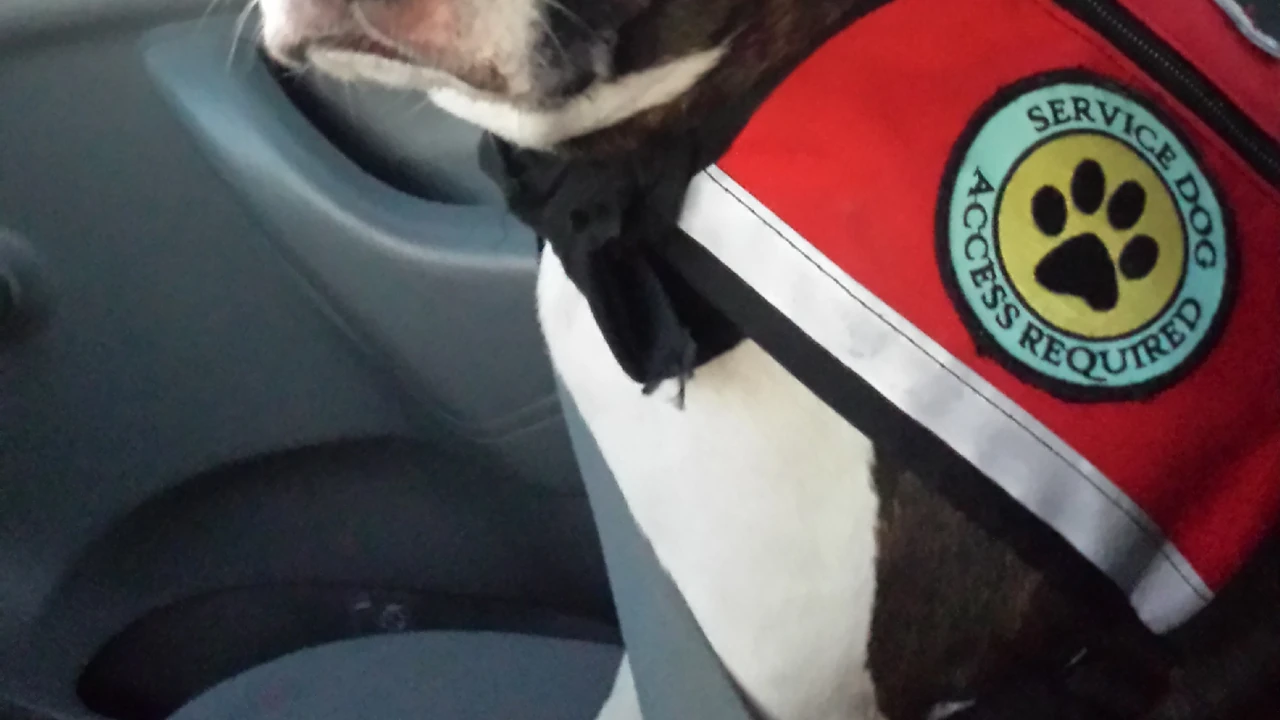
The Justice Department sued Lyft on Monday, alleging that drivers routinely denied rides to people with service animals or stowable wheelchairs and that the company’s systems failed to prevent or correct the discrimination. The complaint, filed in federal court in Northern California, seeks $53 million in damages for alleged victims, as well as an injunction, policy changes, training and a civil penalty. Those are requests, not an award, and the allegations have not been adjudicated.
The complaint describes the human cost through named riders. It says Patricia Ebel faced three consecutive denials, was charged a cancellation fee and missed work obligations; Aleeha Dudley says repeated service-dog denials disrupted Medicaid-covered trips to therapy; and Jodie Simon says a driver refused to stow her wheelchair and drove away, delaying her return home for pain medication. James Rath, who is legally blind, alleges repeated denials even after using Lyft’s optional service-animal disclosure.
DOJ’s central criticism is not limited to individual drivers. The complaint alleges that Lyft’s training, monitoring and corrective action were inadequate; that responses often stopped at warnings, ride credits or blocking a future match between one rider and one driver; and that alleged denials therefore remained possible for other passengers. It also alleges impermissible questions, insults and cancellation fees.
That account raises a sharper question because Lyft reached a narrower Justice Department settlement in 2020 over alleged denials involving foldable wheelchairs and walkers, including repeated complaints by a Los Angeles-area rider. Lyft agreed then to revise its policy, communicate it quarterly, provide driver training, improve complaint handling, issue credits or refunds, hold drivers accountable—including possible termination—pay a $40,000 civil penalty and compensate four complainants. The settlement was time-limited and did not cover service-animal claims; it is not proof that Lyft violated the law in the new case.
Lyft’s written policy cuts against the conduct alleged in the complaint. It says service animals must always be accommodated, disclosure is optional and free, drivers may ask only two limited questions, and riders can report a denial through the app or a hotline. In a Nov. 6 securities filing—before DOJ filed the suit—Lyft said it had cooperated with the investigation, disputed wrongdoing and intended to defend itself vigorously.
The accountability test is whether those formal rules change what happens when a rider requests a car. Lyft controls matching, cancellation fees, complaint channels, warnings and driver access to the platform. The litigation can test whether its training, enforcement, refunds and discipline made access reliable, and whether riders alleging discrimination were left to carry the burden of documenting a system the company operates.
Lyft has not yet been found liable in this case. The complaint is the government’s account, and the company’s defenses will be tested in court. The measurable questions are whether alleged denials persisted after complaints, what corrective actions Lyft took, and whether its records support the gap DOJ describes between a written accessibility policy and riders’ reported experience.
The evidence record
Source claimDOJ filed the Nov. 9 complaint, alleges routine service-animal and wheelchair denials and seeks $53 million plus injunctive and monetary relief.
Article paragraph: 1
Source claimThe complaint names Ebel, Dudley, Simon and Rath and describes the alleged denials and consequences summarized.
Article paragraph: 2
Source claimThe complaint alleges platform-level deficiencies in training, monitoring, corrective action, complaint resolution and fees.
Article paragraph: 3
Source claimThe 2020 settlement addressed alleged denials involving foldable wheelchairs and walkers and imposed policy, training, complaint, accountability, payment and reporting requirements that applied beyond the named Los Angeles-area rider.
Article paragraph: 4
Source claimLyft’s current service-animal policy requires accommodation and provides reporting channels.
Article paragraph: 5
Source claimLyft’s Nov. 6 filing says the company disputes wrongdoing and intends to defend itself.
Article paragraph: 5
AnalysisThe accountability test is whether Lyft’s platform controls translated written rules into reliable access and effective correction.
Article paragraphs: 6, 7
The complaint attributes failures to Lyft’s platform policies and enforcement, while Lyft’s own policy describes mandatory accommodation and complaint channels. The analysis identifies observable issues for the litigation and records to test.
Sources and access
Each source record identifies its reporting origin, access scope and the date we checked it.
Justice Department Sues Lyft for Denying Rides to Passengers with Service Dogs and Wheelchairs
U.S. Department of Justice · Checked November 9, 2026
- Recorded relationship
- original
- Origin
- U.S. Department of Justice
- Access
- Full text
- Locator
- Release dated Nov. 9, 2026; filing, alleged practices and requested $53 million.
- Source publication
- November 9, 2026
Government announcement; allegations are attributed and checked against the complaint.
United States v. Lyft Inc., complaint
U.S. District Court for the Northern District of California / U.S. Department of Justice · Checked November 9, 2026
- Recorded relationship
- original
- Origin
- U.S. Department of Justice
- Access
- Full text
- Locator
- Introduction; named rider allegations; Lyft policies and practices; requested relief.
- Source publication
- November 9, 2026
Filed complaint; allegations are not findings.
Lyft Form 10-Q for the quarter ended September 30, 2026
Lyft, Inc. / U.S. Securities and Exchange Commission · Checked November 9, 2026
- Recorded relationship
- original
- Origin
- Lyft, Inc.
- Access
- Full text
- Locator
- Legal proceedings disclosure concerning DOJ disability investigation.
- Source publication
- November 6, 2026
Company filing predates the Nov. 9 complaint; it is not a post-suit response.
Lyft service animal policy
Lyft · Checked November 9, 2026
- Recorded relationship
- original
- Origin
- Lyft
- Access
- Full text
- Locator
- Service-animal accommodation, optional disclosure, permissible questions and reporting channels.
Current company policy; describes formal requirements, not compliance outcomes.
Lyft Agrees to Resolve Allegations It Violated Federal Law When Its Drivers Denied Rides to Passengers with Disabilities
U.S. Attorney’s Office, Central District of California · Checked November 9, 2026
- Recorded relationship
- original
- Origin
- U.S. Department of Justice
- Access
- Full text
- Locator
- June 22, 2020 settlement scope, obligations, payments and reporting term.
- Source publication
- June 22, 2020
Prior settlement was narrower and time-limited; not proof of current allegations.
Medical Alert Dog in Car
Wikimedia Commons · Checked November 9, 2026
- Recorded relationship
- original
- Origin
- BCBADPHD / Wikimedia Commons
- Access
- Full text
- Locator
- File metadata, authorship, April 17, 2015 date and CC BY-SA 4.0 license.
- Source publication
- April 17, 2015
Visual source only. Archival photograph, cropped to 16:9, resized and encoded as WebP; not Lyft or a plaintiff.

Prepared with AI research and writing tools. Sources and evidence are listed below. Public Rot is responsible for the published account.
Revision record
Revision 1 · November 9, 2026
Initial publication.
Revision 2 · November 9, 2026
Corrected the evidence summary for the 2020 settlement to avoid implying that its policy and accountability requirements were limited to the Los Angeles area. The article text, reported facts and conclusions are unchanged.
These are the recorded publication notices. Open reader tools, full available revisions or report a possible error →