
DOJ dropped its California ballot case before its list faced an evidence hearing
The department said ballot segregation was no longer possible. Its November 6 dismissal also ended a court-ordered test of the 20,000-name list after judges questioned the government’s methodology.
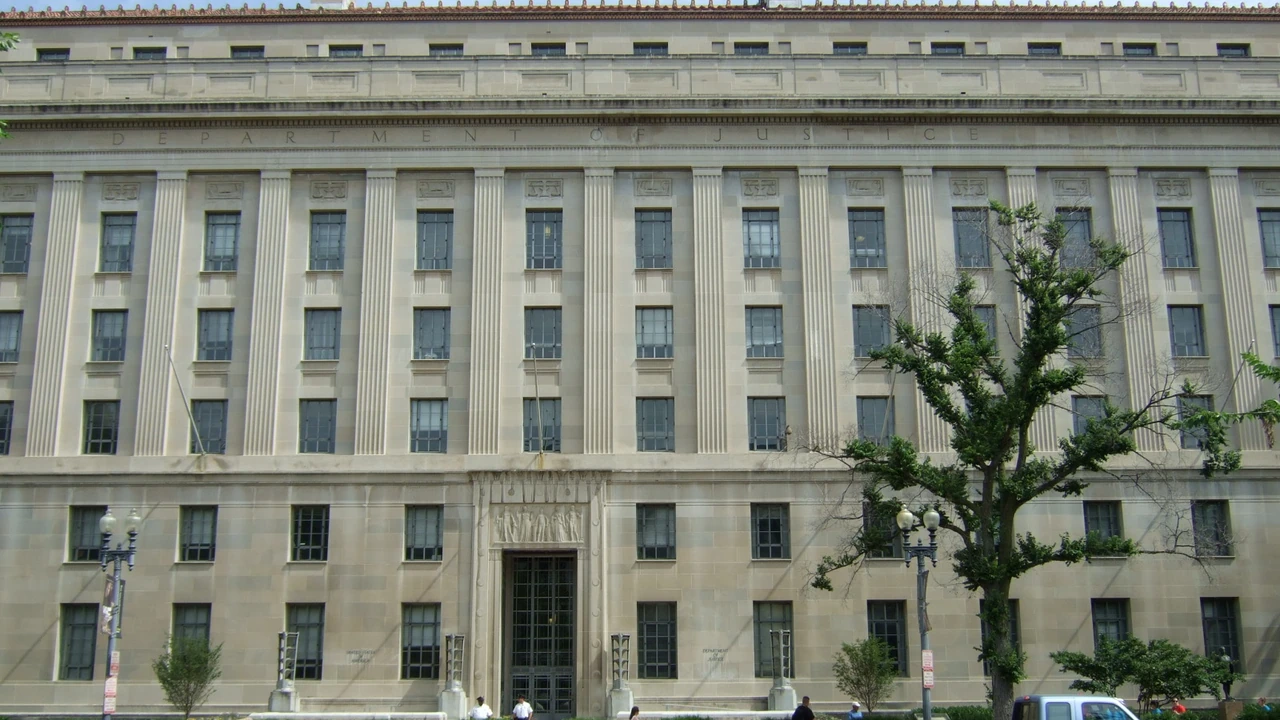
The Justice Department voluntarily dismissed its California ballot-segregation lawsuit on November 6, four days after the Supreme Court denied emergency relief and one week before a scheduled evidentiary hearing. The department’s filing said California would have commingled the challenged ballots with lawful ones by the hearing, leaving no way to obtain the segregation it sought and no remaining Article III jurisdiction.
The dismissal also ended the case before the government’s 20,000-name list received the scheduled public test. On October 28, U.S. District Judge David O. Carter found that the federal matching process supplied no error rates or validation against a reliable benchmark, left its data-enrichment method vague and did not adequately explain how an earlier claim involving roughly 190,000 names became a list of about 20,000. He concluded that the government had not made its ‘highly likely’ label credible enough to justify emergency relief.
DOJ filed the case October 15 after giving state and Los Angeles County officials about 48 hours to review the list and asking them to stop processing associated mail ballots until citizenship could be verified. The department described that request as targeted and modest. Carter found that implementing it during an election could remove ballots from eligible voters, disrupt tabulation and place the election at risk.
Los Angeles County’s preliminary review illustrates why the list needed testing. A declaration from county election official Aman Bhullar said a 200-record sample was 42.9% canceled registrations, 42.4% active and 4.6% inactive. It said 71.2% had never voted, and that 38.9% of records with meaningfully reported birthplace information indicated U.S. birth. Those fields did not themselves prove citizenship, and the sample did not establish the accuracy of the entire list.
The federal government disputed the county’s reading of that same sample. In an October 30 Ninth Circuit dissent, Judge Patrick Bumatay wrote that federal systems confirmed none of the sampled people were born in the United States and argued that California relied on voter attestations instead of federal immigration records. That conflict was material: it was precisely the kind of evidence dispute the November 13 hearing could have examined.
DOJ also had evidence that illegal registration and voting are real, not hypothetical. On November 2, prosecutors said they had charged 34 noncitizens in California and that every defendant’s name appeared on the 20,000-person list. A federal grand jury indicted 10 people on November 4. Those charges remain allegations, and they do not establish the list-wide error rate or show that 20,000 illegal ballots were cast in the 2026 election.
The government’s strongest legal argument was that ballot segregation would preserve disputed ballots without canceling them while citizenship was checked. A dissenting Ninth Circuit judge called that a reasonable and limited remedy and emphasized the public interest in preventing unlawful votes. The majority and the district court saw a different risk: imposing a last-minute federal process on a state election without sufficiently reliable evidence.
Timing sharpened that disagreement. Carter’s order said federal officials obtained California voter-roll data in May, raised an initial estimate of about 190,000 possible noncitizens in July and did not sue until October 15, after ballots had been mailed and processing had begun. The Ninth Circuit said the claimed emergency was at least partly created by the government’s own delay. DOJ then pursued district, appellate and Supreme Court relief before ending the case once segregation was no longer possible.
The accountability finding is not that noncitizen registration never occurs. The criminal cases show specific alleged violations that courts can test person by person. The problem is scale and remedy: DOJ used a disputed list to seek direct intervention in an active election without giving the court enough validation to trust its broad classification.
The dismissal leaves that list-wide question unresolved. DOJ says it will continue prosecutions and separate litigation over California voter-roll maintenance. But this case produced no ruling that all 20,000 names were citizens or noncitizens, and the government’s decision to end it means the scheduled hearing will not test the methodology it used to seek emergency control over those ballots.
The evidence record
Source claimDOJ filed Document 180 on Nov. 6, voluntarily dismissing because commingling made its requested remedy unavailable and it said Article III jurisdiction no longer existed.
Article paragraph: 1
Source claimThe dismissal ended the case before a Nov. 13 evidentiary hearing, after the district court found the matching process insufficiently validated and not credible enough for emergency relief.
Article paragraph: 2
Source claimDOJ's Oct. 15 case sought ballot segregation after a short review demand; the court found substantial disenfranchisement and election-administration risks.
Article paragraph: 3
Source claimThe county declaration reported its preliminary 200-record sample results and limitations.
Article paragraph: 4
Source claimThe federal government disputed the county birthplace analysis, creating a material evidence conflict for the scheduled hearing.
Article paragraph: 5
Source claimDOJ said 34 charged defendants were on the list; those allegations do not establish list-wide accuracy or 20,000 illegal 2026 ballots.
Article paragraph: 6
Source claimA federal grand jury indicted ten of the California defendants on Nov. 4; the indictment release preserves the presumption of innocence.
Article paragraph: 6
Source claimThe dissent characterized segregation as a limited protective remedy, while the majority and district court emphasized timing, reliability and election harms.
Article paragraph: 7
Source claimThe timing record ran from May data and a July estimate to an Oct. 15 suit, and appellate judges treated the emergency as partly self-created.
Article paragraph: 8
AnalysisThe central accountability distinction is between verified individual cases and the evidence needed for a list-wide live-election remedy.
Article paragraph: 9
Editorial synthesis of the criminal charging records, disputed sample, district findings and requested emergency remedy.
Source claimThe dismissal left list-wide accuracy unresolved while separate prosecutions and voter-roll litigation continued.
Article paragraph: 10
Sources and access
Each source record identifies its reporting origin, access scope and the date we checked it.
The United States’ Notice of Voluntary Dismissal, Document 180
U.S. District Court for the Central District of California / RECAP · Checked November 7, 2026
- Recorded relationship
- original
- Origin
- U.S. District Court for the Central District of California
- Access
- Full text
- Locator
- Document 180, filing stamp and pages 2–3 explaining dismissal and jurisdiction.
- Source publication
- November 6, 2026
Docket for United States v. California, No. 26A624
Supreme Court of the United States · Checked November 7, 2026
- Recorded relationship
- original
- Origin
- Supreme Court of the United States
- Access
- Full text
- Locator
- Proceedings and Orders for November 2, 2026: application referred to the Court and denied.
- Source publication
- November 2, 2026
California appendix in United States v. California, No. 26A624
Supreme Court of the United States · Checked November 7, 2026
- Recorded relationship
- original
- Origin
- U.S. District Court for the Central District of California and U.S. Court of Appeals for the Ninth Circuit
- Access
- Full text
- Locator
- District order at appendix 41a–67a; appellate orders and dissent elsewhere in the appendix.
- Source publication
- November 2, 2026
Declaration of Aman Bhullar, Document 32-3
U.S. District Court for the Central District of California / RECAP · Checked November 7, 2026
- Recorded relationship
- original
- Origin
- Los Angeles County Registrar-Recorder/County Clerk
- Access
- Full text
- Locator
- Paragraphs 24–25, preliminary analysis of a 200-record sample and county distribution.
- Source publication
- October 20, 2026
United States Sues California After Determining More Than 20,000 Likely Noncitizens Are Registered to Vote
U.S. Department of Justice · Checked November 7, 2026
- Recorded relationship
- original
- Origin
- U.S. Department of Justice
- Access
- Full text
- Locator
- October 15 release describing the list, federal matching claim and requested segregation remedy.
- Source publication
- October 15, 2026
Six Additional Foreign Nationals Charged in California Voting Cases
U.S. Department of Justice · Checked November 7, 2026
- Recorded relationship
- original
- Origin
- U.S. Department of Justice
- Access
- Full text
- Locator
- November 2 release stating 34 defendants had been charged and all appeared on the 20,000-name list; allegation and presumption-of-innocence language.
- Source publication
- November 2, 2026
Federal Grand Jury Indicts 10 Noncitizens Who Illegally Registered to Vote in California
U.S. Department of Justice · Checked November 7, 2026
- Recorded relationship
- original
- Origin
- U.S. Department of Justice
- Access
- Full text
- Locator
- November 4 release listing ten indictments and stating that indictments are allegations.
- Source publication
- November 4, 2026
U.S. Justice Department drops bid to force California to set aside disputed ballots
Associated Press · Checked November 7, 2026
- Recorded relationship
- original
- Origin
- Associated Press
- Access
- Full text
- Locator
- November 7 report on dismissal, hearing, court findings, state objections, criminal cases and remaining litigation.
- Source publication
- November 7, 2026
Attorney General Bonta: Trump Administration Drops California Ballot Lawsuit
California Department of Justice · Checked November 7, 2026
- Recorded relationship
- original
- Origin
- California Department of Justice
- Access
- Full text
- Locator
- November 6 state response describing dismissal and the scheduled November 13 evidentiary hearing.
- Source publication
- November 6, 2026
Prepared with AI research and writing tools. Sources and evidence are listed below. Public Rot is responsible for the published account.
Revision record
Revision 1 · November 7, 2026
Initial publication.
These are the recorded publication notices. Open reader tools, full available revisions or report a possible error →