
California rejects billionaire tax; FPPC records a five-to-one funding gap
Proposition 40 would have imposed a one-time 5% levy above $1 billion. Official top-contributor records show a large opposition advantage, while the vote’s causes remain unmeasured.
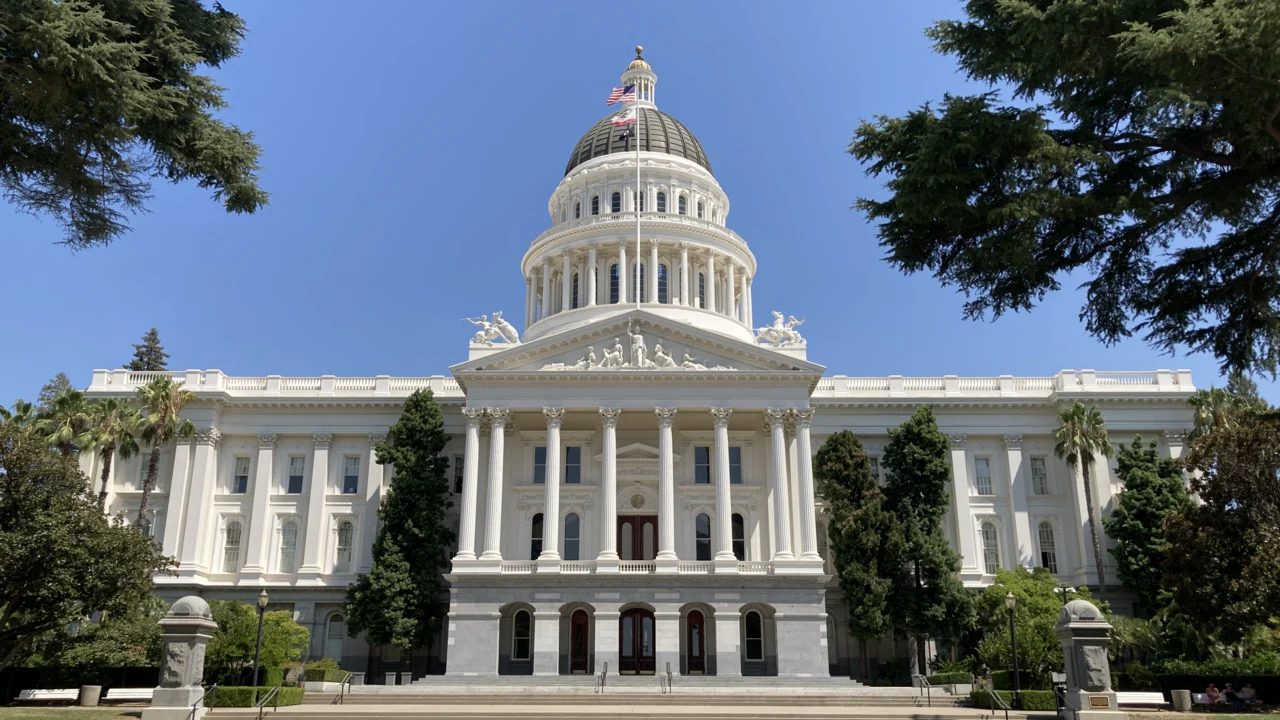
California voters rejected Proposition 40, the one-time wealth tax aimed at billionaires. The Associated Press called the race at 6:28 p.m. Pacific on November 9, with 52.7 percent voting No and 47.2 percent Yes. Ballot counting continues, and California is scheduled to certify the result December 11.
The measure would have charged California residents who were billionaires on January 1, 2026 a one-time tax equal to 5 percent of net worth above $1 billion, generally excluding real estate, pensions and retirement accounts. The payment would have been due in 2027. Ninety percent of the revenue was designated for health care, with the rest divided among education, food assistance and administration.
The Legislative Analyst estimated that the tax could have produced tens of billions of dollars temporarily, while stressing that the amount was difficult to predict. The same analysis said departures or other changes by affected taxpayers could reduce ongoing state income-tax revenue by less than $1 billion a year. The vote leaves both the projected one-time revenue and that projected ongoing risk unrealized.
The Fair Political Practices Commission lists $169.8 million in aggregated top contributions opposing Proposition 40 and $32.4 million supporting it—a 5.24-to-1 edge.
Those numbers are not total campaign spending. The FPPC list covers reported top contributors, can omit smaller contributors and committees, and warns that money to committees working on multiple measures can be counted on more than one proposition. Broader figures reported by Reuters and CalMatters include campaigns against related ballot measures and should not be treated as Proposition 40-only totals.
The official record measures campaign resources, not voter motivation. It shows a large financing advantage for the No side; it does not establish why millions of Californians voted against the measure.
The contrary case was substantial. Gov. Gavin Newsom opposed the measure, as did the California Teachers Association, Planned Parenthood affiliates and several health organizations. Opponents argued that the levy could drive wealthy taxpayers and investment from California, while the official fiscal analysis identified a real, though bounded, risk to future income-tax revenue.
Supporters, including health-care unions and other labor groups, argued that extreme wealth could absorb the levy and that the money was needed after federal cuts. The campaign divided Democratic officials and aligned organizations rather than producing a simple partisan contest.
The result means the proposed levy will not be collected and its projected temporary funding will not reach the designated public programs. The campaign-finance record shows a large messaging and organizing advantage for the No side, but does not establish that the advantage determined the voters’ decision.
Supporters have discussed returning with a revised measure. For this election, the documented findings are a rejected tax, an opposition top-contributor edge greater than five to one and an uncertified vote whose causes cannot be reduced to campaign money.
The evidence record
Source claimAP projected Proposition 40 defeated at 6:28 p.m. PT Nov. 9 with 52.7% No and 47.2% Yes; certification remains pending.
Article paragraph: 1
Source claimThe proposal imposed a one-time 5% tax above $1 billion, generally excluded specified assets, set a 2027 due date and designated the revenue.
Article paragraph: 2
Source claimThe LAO estimated temporary revenue in the tens of billions and possible ongoing income-tax losses below $1 billion annually.
Article paragraph: 3
Source claimFPPC aggregated top-contributor records show $169.8 million opposing and $32.4 million supporting, a 5.24-to-1 edge.
Article paragraphs: 4, 5
AnalysisThe finance figures document unequal campaign-resource capacity but do not establish voter motivation.
Article paragraph: 6
The official record measures reported aggregated top contributions and does not measure why voters chose No.
Source claimNewsom and Democratic-aligned organizations opposed the measure, citing taxpayer-flight and revenue concerns.
Article paragraph: 7
Source claimLabor supporters argued for the levy after federal cuts, and the campaign divided Democratic-aligned organizations.
Article paragraph: 8
AnalysisThe result leaves the proposed tax and designated funding unrealized; campaign finance does not establish the cause of the vote.
Article paragraph: 9
The measure's legal and fiscal terms are compared with the projected defeat and the limited meaning of campaign-finance records.
Source claimSupporters have discussed returning with a revised measure while the present record establishes the rejected tax and funding imbalance.
Article paragraph: 10
Sources and access
Each source record identifies its reporting origin, access scope and the date we checked it.
California Proposition 40 election results
KQED / Associated Press · Checked November 10, 2026
- Recorded relationship
- unestablished
- Origin
- Not established
- Access
- Full text
- Locator
- Results header: AP call at 6:28 p.m. PT Nov. 9; 52.7% No, 47.2% Yes; counting estimate.
- Source publication
- November 9, 2026
Live election results were changing during review; percentages and call time were retained, not raw vote counts.
Official analysis of Proposition 40
California Secretary of State / Legislative Analyst · Checked November 10, 2026
- Recorded relationship
- original
- Origin
- California Secretary of State / Legislative Analyst's Office
- Access
- Full text
- Locator
- Proposal, use of funds, fiscal effects and taxpayer-response sections.
- Source publication
- September 22, 2026
Official voter-guide analysis; fiscal figures are estimates, not observed revenue.
Proposition 40 top contributors
California Fair Political Practices Commission · Checked November 10, 2026
- Recorded relationship
- original
- Origin
- California Fair Political Practices Commission
- Access
- Full text
- Locator
- Aggregated top-contribution totals for support and opposition; footnotes and multi-measure duplication warning.
- Source publication
- November 6, 2026
Top-contributor aggregates are not total spending and can omit or duplicate amounts as the page explains.
November 3, 2026 general election schedule
California Secretary of State · Checked November 10, 2026
- Recorded relationship
- original
- Origin
- California Secretary of State
- Access
- Full text
- Locator
- Post-election canvass and certification calendar: county deadline Dec. 3; state certification Dec. 11.
- Source publication
- November 3, 2026
Official election timetable; not a vote-count source.
California voters reject billionaire tax measure
Reuters · Checked November 10, 2026
- Recorded relationship
- original
- Origin
- Reuters
- Access
- Full text
- Locator
- Projected result; measure terms; donor funding and opposition arguments.
- Source publication
- November 10, 2026
Broader committee and related-measure figures are not presented as Proposition 40-only spending.
California rejects Proposition 40 billionaire tax
CalMatters · Checked November 10, 2026
- Recorded relationship
- original
- Origin
- CalMatters
- Access
- Full text
- Locator
- Result, coalition split, broader campaign spending, polling and supporters' possible 2028 return.
- Source publication
- November 9, 2026
Independent state-policy reporting; broader spending figures span connected measures.
California State Capitol Daytime July 2021
Wikimedia Commons · Checked November 10, 2026
- Recorded relationship
- original
- Origin
- Shanwei Jiang / Wikimedia Commons
- Access
- Full text
- Locator
- File page: author, capture date, original dimensions and CC BY-SA 4.0 license.
- Source publication
- July 30, 2021
Visual source only; archival image does not depict the 2026 campaign or vote.

Prepared with AI research and writing tools. Sources and evidence are listed below. Public Rot is responsible for the published account.
Revision record
Revision 1 · November 10, 2026
Initial publication.
These are the recorded publication notices. Open reader tools, full available revisions or report a possible error →