
California’s first emissions deadline survives. Wider climate disclosures are on hold.
The Ninth Circuit left tomorrow’s Scope 1 and 2 reports in place, reversed on value-chain reporting and kept climate-risk disclosures on hold while the case continues.
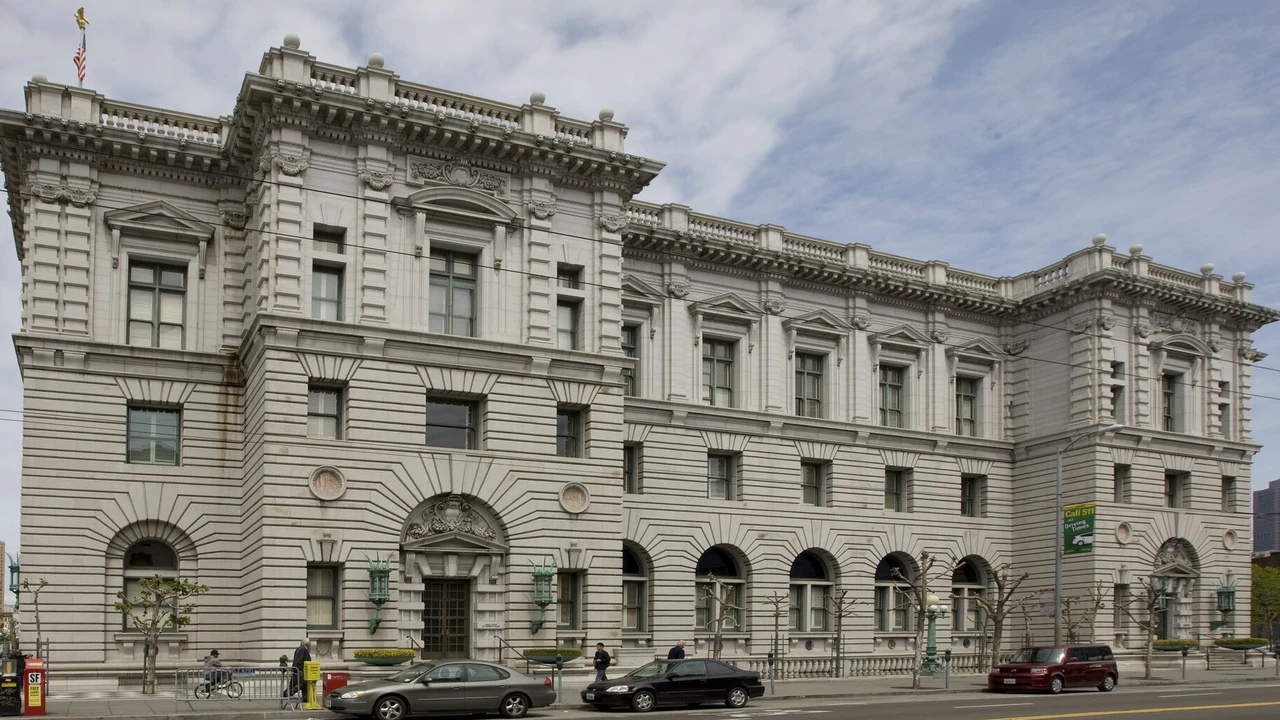
One day before California’s first mandatory corporate emissions reports are due, the Ninth Circuit left the November 10 deadline in place for direct emissions and emissions from purchased energy. The same opinion reversed the lower court on value-chain reporting and kept climate-risk disclosures on hold—the parts of California’s system intended to expose emissions and financial exposure beyond companies’ own operations.
The November 9 published opinion affirmed the district court’s refusal to preliminarily enjoin SB 253’s Scope 1 and Scope 2 requirements. It reversed as to SB 253’s Scope 3 requirement and SB 261, and sent the case back for the district court to decide whether Scope 3 can be severed. This is a preliminary-injunction ruling, not a final judgment on the laws’ constitutionality.
What remains is concrete. CARB says U.S.-organized business entities with more than $1 billion in annual revenue that do business in California must report prior-year Scope 1 emissions from operations they own or control and Scope 2 emissions from purchased energy by November 10, 2026.
What is blocked or delayed reaches further. Scope 3, scheduled to begin in 2027, covers emissions from suppliers, customers, distributors and other value-chain actors. SB 261 applies to covered U.S. companies doing business in California with more than $500 million in annual revenue and requires biennial climate-related financial-risk reports. Those disclosures were designed to show risks and emissions that sit outside a company’s factory gates but can still shape costs, supply chains and investment exposure.
The majority treated Scope 1 and 2 reporting as commercial speech and upheld it under intermediate scrutiny. It treated Scope 3 as noncommercial speech about third parties, triggering strict scrutiny, and said California had not shown mandatory reporting was narrowly tailored. The court applied strict scrutiny to SB 261 as well, describing the required assessments as value-laden judgments on a politically fraught subject and saying the state had less restrictive options.
Environmental Defense Fund, which supported the state as an amicus, said the decision preserves public access to direct and energy-use emissions but delays the fuller benefits of value-chain and risk disclosures. California’s attorney general told Reuters the state was evaluating next steps, welcomed the portion left enforceable and remained committed to access to climate data.
The business groups’ strongest counterargument is cost and compelled speech. The Chamber called the decision an important victory against the most onerous requirements. The Farm Bureau said large companies would otherwise press small and mid-sized farms for emissions data. The majority also said the record did not show mandatory Scope 3 reporting was necessary to reduce emissions and found its connection to investor decision-making too attenuated.
The ruling is therefore neither a wholesale defeat nor a clean survival for California’s disclosure system. Tomorrow’s deadline will produce information about what covered companies emit directly and through purchased energy. For now, the public will get less visibility into the supply-chain emissions and financial risks that extend beyond those companies’ operational boundaries. On remand, the district court must determine whether the Scope 3 provision can be severed and frame preliminary relief accordingly. Further appellate review remains possible.
The evidence record
Source claimThe Nov. 9 opinion left Scope 1/2 requirements in force, reversed as to Scope 3 and SB 261, and remanded Scope 3 severability.
Article paragraphs: 1, 2
Source claimCARB’s Nov. 10 deadline, revenue threshold and Scope 1/2 definitions apply to covered U.S.-organized entities doing business in California.
Article paragraph: 3
Source claimScope 3 begins in 2027 and SB 261 covers qualifying companies above $500 million with biennial risk reporting.
Article paragraph: 4
Source claimThe majority applied intermediate scrutiny to Scope 1/2 and strict scrutiny to Scope 3 and SB 261, finding tailoring and alternatives problems.
Article paragraph: 5
Source claimEDF’s response and California’s reported response describe what transparency survives and what may be pursued next.
Article paragraph: 6
Source claimBusiness groups cited compelled speech, compliance burdens and pressure on smaller suppliers; the majority found the investor connection attenuated and necessity unproven.
Article paragraph: 7
AnalysisThe ruling preserves a narrower disclosure system while delaying supply-chain and financial-risk visibility pending remand and possible further review.
Article paragraph: 8
This synthesis compares the categories the opinion leaves enforceable with those it preliminarily blocks or returns to the district court; it does not predict the final merits.
Sources and access
Each source record identifies its reporting origin, access scope and the date we checked it.
Chamber of Commerce v. Randolph, No. 25-5327, published opinion
U.S. Court of Appeals for the Ninth Circuit · Checked November 9, 2026
- Recorded relationship
- original
- Origin
- U.S. Court of Appeals for the Ninth Circuit
- Access
- Full text
- Locator
- Disposition and opinion pages 3–4 and 16–35; Scope 1/2, Scope 3, SB 261 and remand analysis.
- Source publication
- November 9, 2026
Official published opinion; controlling news hook.
California Corporate Greenhouse Gas Reporting Program
California Air Resources Board · Checked November 9, 2026
- Recorded relationship
- original
- Origin
- California Air Resources Board
- Access
- Full text
- Locator
- Applicability, Scope 1/2 definition and Nov. 10, 2026 reporting deadline.
Current official program page; undated page and not used as the hook.
Climate-related financial risk and greenhouse-gas reporting overview
California Air Resources Board · Checked November 9, 2026
- Recorded relationship
- original
- Origin
- California Air Resources Board
- Access
- Full text
- Locator
- SB 261 applicability, revenue threshold and biennial-report description.
Official program overview; undated page and not used as the hook.
Court blocks California from enforcing parts of climate disclosure laws
Reuters · Checked November 9, 2026
- Recorded relationship
- original
- Origin
- Reuters
- Access
- Full text
- Locator
- State response, Chamber response, Farm Bureau argument and procedural context.
- Source publication
- November 9, 2026
Contemporaneous reporting used for attributed party responses.
Ninth Circuit allows some California climate disclosure requirements to proceed
Environmental Defense Fund · Checked November 9, 2026
- Recorded relationship
- original
- Origin
- Environmental Defense Fund
- Access
- Full text
- Locator
- Nov. 9 statement on surviving direct/energy-use reporting and delayed value-chain/risk benefits.
- Source publication
- November 9, 2026
Advocacy-group statement; position is attributed.
James R. Browning U.S. Court of Appeals Building, 7th Street façade
Library of Congress / Wikimedia Commons · Checked November 9, 2026
- Recorded relationship
- original
- Origin
- Library of Congress
- Access
- Full text
- Locator
- Asset metadata, creator, date, location and rights statement.
- Source publication
- January 1, 2009
Visual source only; archival image labeled 2009 and not used as the news hook.
Prepared with AI research and writing tools. Sources and evidence are listed below. Public Rot is responsible for the published account.
Revision record
Revision 1 · November 9, 2026
Initial publication.
These are the recorded publication notices. Open reader tools, full available revisions or report a possible error →