
A misleading BBC edit cleared a pleading hurdle—not a defamation verdict
A federal judge let Trump’s $10 billion claim proceed after a Panorama splice joined remarks delivered about 55 minutes apart. The same order tossed his consumer-law count, and liability and damages remain unproved.
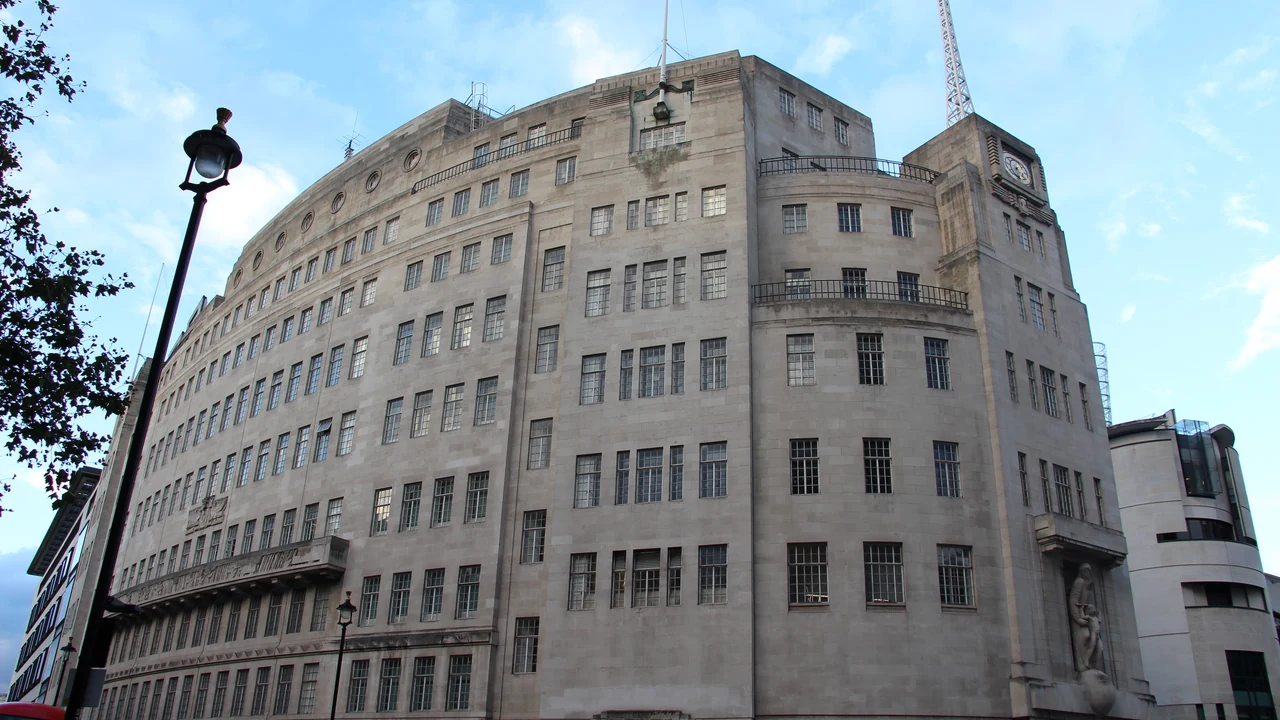
A federal judge in Florida ruled on November 10 that President Donald Trump’s defamation claim against the BBC may proceed, while dismissing his separate claim under Florida’s consumer-protection law. The decision is a pleading-stage ruling: the court accepted well-pleaded allegations as true and did not find that the BBC defamed Trump, acted with actual malice or caused $10 billion in damages.
The lawsuit centers on a 2024 Panorama documentary that joined two portions of Trump’s January 6, 2021 speech delivered roughly 55 minutes apart. The 12-second sequence made the remarks appear continuous. BBC chair Samir Shah later apologized, saying the edit created the mistaken impression that Trump had made a direct call for violent action. The BBC says the edit was unintentional, denies defamation and says the documentary as a whole was factual and balanced.
Judge Jeffrey Kuntz wrote that the splice could plausibly be treated as a false factual construction rather than protected opinion. At this stage, he also found the complaint’s allegations about the edit, timing, distribution and surrounding circumstances sufficient to plead actual malice. The order repeatedly reserves proof and damages for summary judgment or trial.
That distinction matters because Trump called the ruling a major victory against the BBC. What he won was the opportunity to use discovery and try to prove one count, not a judgment that the broadcaster defamed him. The court dismissed his Florida Deceptive and Unfair Trade Practices Act claim, holding that editorial content did not become commercial speech merely because the BBC receives subscriptions or advertising revenue.
The strongest criticism of the BBC is concrete and internal to the journalism: a documentary aired one week before the 2024 election fused nonadjacent remarks into a statement Trump did not deliver in that form. The apology identifies a failed editorial control. The public-interest question is how that splice cleared review and why a correction came more than a year later, after a legal threat, rather than promptly when the documentary aired.
The contrary evidence is also substantial. An editing failure, a breach of journalistic standards or a failure to investigate does not by itself prove the constitutional actual-malice standard. The BBC’s apology can weigh against knowing or reckless falsity, even though the judge said its timing made it weak evidence on a motion to dismiss. The larger record of Trump’s January 6 conduct is not decided by whether this particular sequence was misleading.
The court rejected the BBC’s broader jurisdiction arguments but found specific Florida jurisdiction based on alleged contacts tied to this dispute. It did not hold that the BBC is generally based in or broadly subject to suit in Florida. The BBC must answer the surviving count by December 1 under the November 10 order.
A separate discovery dispute remains unresolved in the accessible record. An October 27 order requires Trump to sit for a deposition by December 11 and warns of sanctions, including possible dismissal, unless the deadline is extended. Trump filed a November 10 motion seeking a stay and proposing dates in January 2027; no accessible order had resolved that request as of November 12.
The case now tests two kinds of power at once. A public broadcaster must account for an acknowledged edit that materially changed the apparent statement. A sitting president is using a $10 billion demand and federal discovery to press that failure against a news organization. The next stage may expose what the BBC’s editors knew and how distribution decisions were made, but the November 10 order is not the answer to those questions.
The evidence record
Source claimThe November 10 order allowed the defamation count to proceed, dismissed the FDUTPA count, and made no liability, actual-malice or damages finding.
Article paragraphs: 1, 3, 4
Source claimThe documentary joined remarks about 55 minutes apart; the BBC chair apologized for a misleading impression, while the BBC denies defamation and says the edit was unintentional.
Article paragraphs: 2, 6
Source claimThe order found the complaint plausibly pleaded falsity and actual malice but reserved proof and damages for later stages.
Article paragraphs: 3, 4, 6
Source claimThe court dismissed the consumer-law count because the editorial content was not commercial speech merely because the BBC has subscription or advertising revenue.
Article paragraph: 4
AnalysisThe apology and delayed correction create an accountability question about the BBC’s editorial controls.
Article paragraph: 5
The documented splice and apology support scrutiny of the review and correction process, while the paragraph does not claim a proven legal state of mind.
Source claimThe court found specific Florida jurisdiction tied to alleged conduct in this dispute and ordered an answer by December 1.
Article paragraph: 7
Source claimThe October 27 order set a December 11 deposition deadline; Trump’s November 10 motion seeks a stay and proposes January dates, with no accessible resolution found by November 12.
Article paragraph: 8
AnalysisThe litigation simultaneously raises accountability for the BBC’s edit and the power of a presidential plaintiff’s $10 billion demand and discovery against a public broadcaster.
Article paragraph: 9
Interpretation based on the acknowledged edit, the pleaded damages demand, the surviving count and the discovery dispute; it does not state that liability or improper motive is proved.
Sources and access
Each source record identifies its reporting origin, access scope and the date we checked it.
Order granting in part and denying in part BBC’s motion to dismiss
U.S. District Court for the Southern District of Florida · Checked November 12, 2026
- Recorded relationship
- original
- Origin
- U.S. District Court for the Southern District of Florida
- Access
- Full text
- Locator
- ECF 209, entered November 10, 2026; pages 1–40, disposition and pleading, jurisdiction, malice and FDUTPA sections
- Source publication
- November 10, 2026
Motion to stay the December deposition deadline
U.S. District Court for the Southern District of Florida / CourtListener RECAP · Checked November 12, 2026
- Recorded relationship
- original
- Origin
- U.S. District Court for the Southern District of Florida
- Access
- Full text
- Locator
- ECF 211, filed November 10, 2026; request to stay December 11 deposition deadline and proposed January dates
- Source publication
- November 10, 2026
Judge allows Trump defamation case against BBC to proceed but tosses one claim
Associated Press · Checked November 12, 2026
- Recorded relationship
- derived
- Origin
- U.S. District Court for the Southern District of Florida
- Access
- Full text
- Locator
- Report on the mixed ruling, BBC apology and response, Trump statement and deposition dispute
- Source publication
- November 12, 2026
Independent reporting; the central legal holding derives from ECF 209.
Federal judge denies motion to dismiss Trump’s defamation case against the BBC
CBS News · Checked November 12, 2026
- Recorded relationship
- derived
- Origin
- U.S. District Court for the Southern District of Florida
- Access
- Full text
- Locator
- November 11 report quoting the BBC response and describing the edit and deposition order
- Source publication
- November 11, 2026
Independent reporting; the central legal holding derives from ECF 209.
Prepared with AI research and writing tools. Sources and evidence are listed below. Public Rot is responsible for the published account.
Revision record
Revision 1 · November 12, 2026
Initial publication.
These are the recorded publication notices. Open reader tools, full available revisions or report a possible error →